If you want to build a truly compounding digital asset, understanding lifetime cookie tagging is the single most important shift you can make.
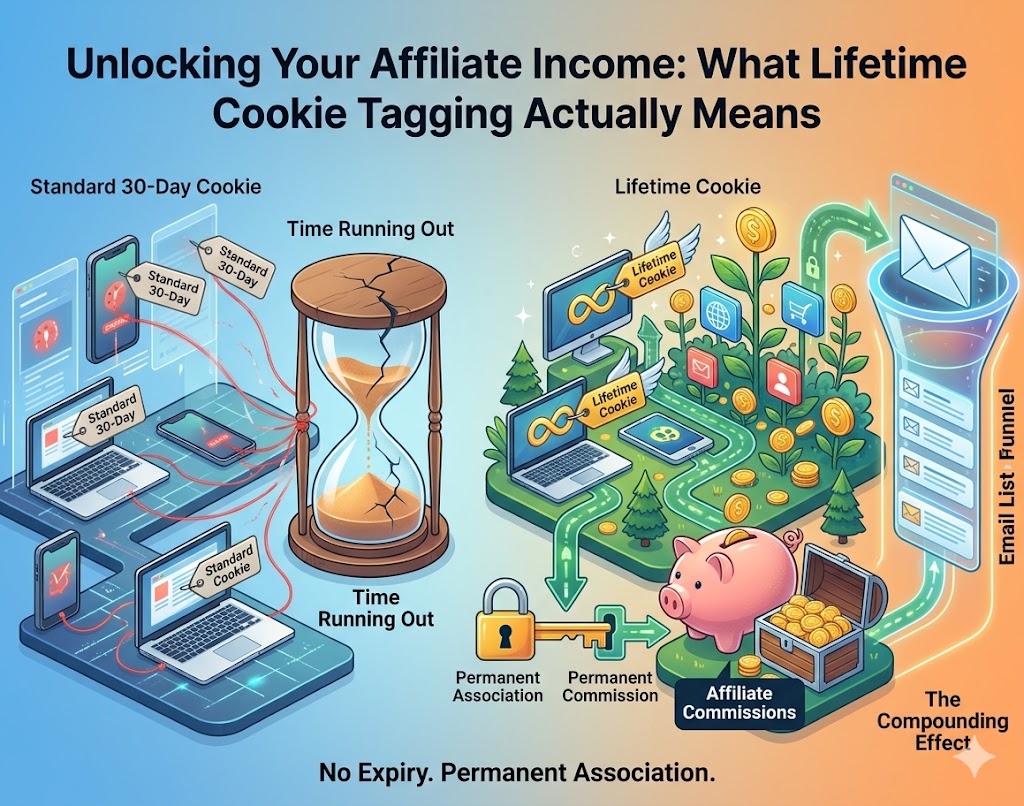
Someone clicks your link. If they buy within the cookie window — usually 30, 60, or 90 days — you get the commission. If they come back after the window expires, you get nothing.
That is how most affiliate programs work. But it is not how all of them work. And the difference is significant enough to be worth understanding properly.
What a cookie actually does
When someone clicks your affiliate link, a small piece of data called a cookie gets stored in their browser. That cookie contains your affiliate ID. When they complete a purchase, the merchant’s system reads the cookie and attributes the sale to you.
The cookie has an expiry date. In most programs, that is somewhere between 30 and 90 days. If the person comes back and buys after that window, your cookie is gone. The sale is attributed to whoever’s cookie is still active — or to no affiliate at all.
This creates an obvious problem. Buying decisions are rarely made on the first visit. People research. They compare options. They think about it for a few weeks. They get busy and come back later. For anything above an impulse purchase price, a 30-day window catches a fraction of the sales your traffic is actually driving.
What Lifetime Cthere ookie Tagging Changes
A lifetime cookie — frequently referred to as lifetime cookie tagging — means there is no expiry date.
Once someone clicks your link and the cookie is set, you are permanently associated with that customer in the merchant’s system. Any purchase they make in the future — weeks, months, or years from now — earns you a commission.
This changes the income math completely.
In a standard setup, you are competing against time. You need people to make their decision inside your cookie window or the attribution disappears.
With lifetime tagging, time works in your favour. Your audience can take as long as they need to make a decision. They can come back later when they are ready. They can upgrade to a higher tier six months after their initial purchase. Every future transaction from someone you introduced is still tracked to you.
The compounding effect
Here is where lifetime tagging gets genuinely interesting when combined with a list-based model.
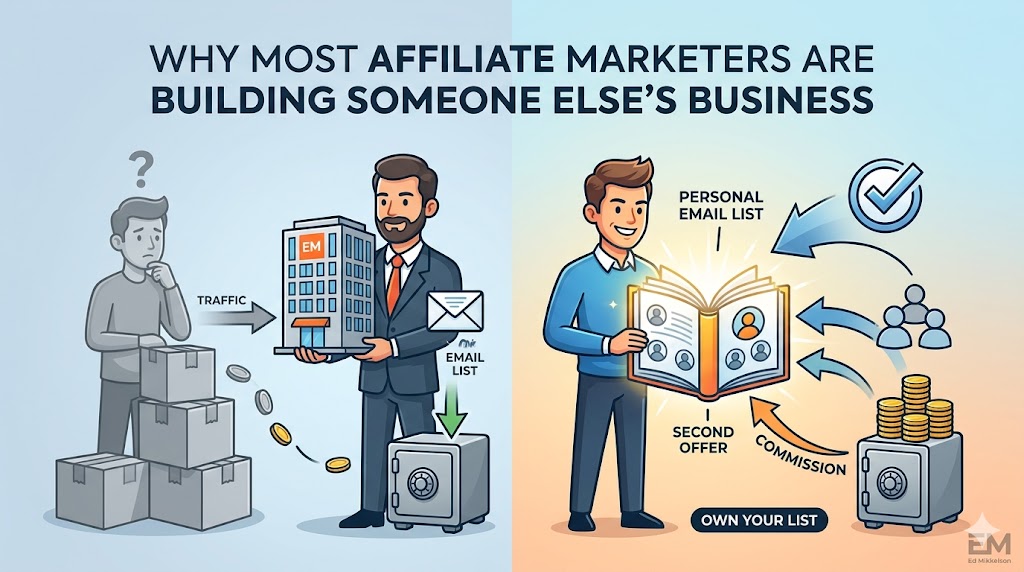
If you are capturing email addresses before the offer, you are building a list of people who are interested in what you are promoting. They have opted in. They have seen the offer. Some have bought the entry-level product. Some are still on the fence.
Now imagine that list growing over time. A thousand subscribers. Five thousand. Some of them signed up months ago. Some are buying the front-end offer today. Some will upgrade to a premium tier next month when they are ready.
Every one of those transactions — including the ones that happen long after someone first entered your funnel — is still attributed to you. Not because of a countdown clock. Because of a permanent tag.
That is the kind of income that does not reset every month. It accumulates across your entire subscriber base, across all the time they have been on your list.
“…It accumulates across your entire subscriber base, across all the time they have been on your list.”
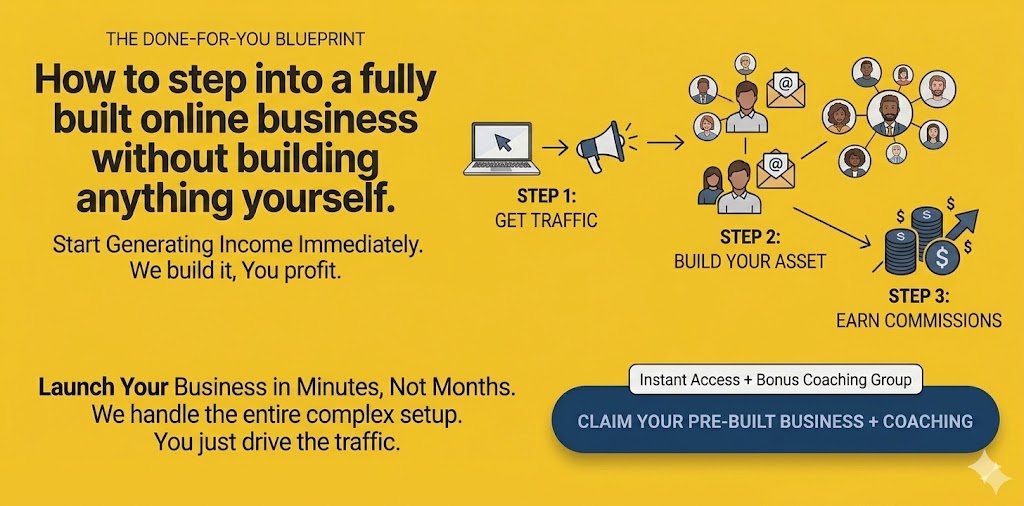
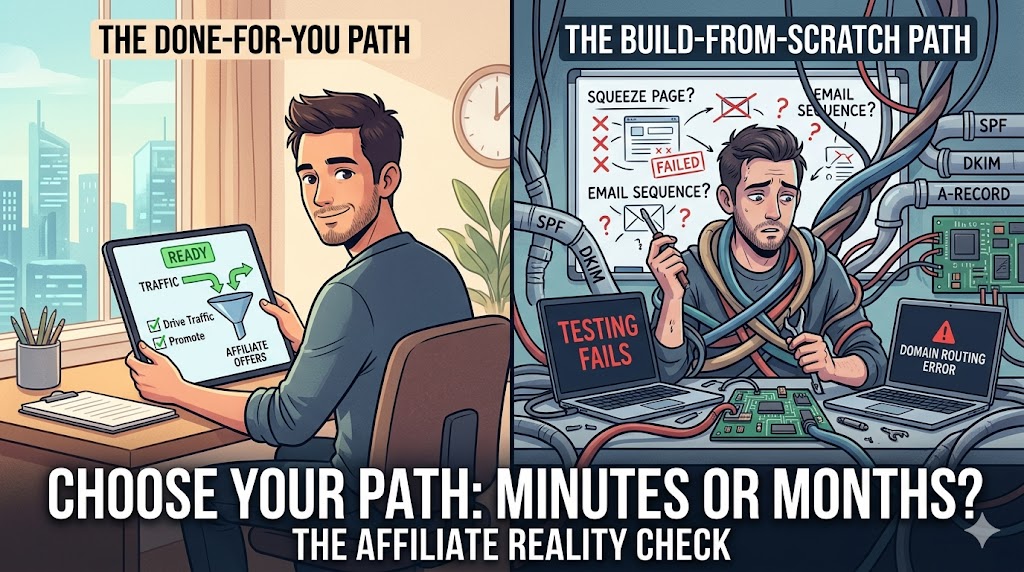
The Reality Check: Building a custom funnel to track and capture these lifetime tags yourself usually requires weeks of API configurations and troubleshooting. If you want to bypass the setup entirely, you can access the Free “Done-for-You” Business Blueprint here and deploy a pre-configured system instantly.
Why the combination matters
Implementing lifetime cookie tagging on its own is incredibly valuable. But it is most valuable when combined with a capture-first model.
Without the email list, lifetime tagging mostly means buyers who come back later through organic search or direct navigation get attributed to you — a nice bonus but not something you can build a strategy around.
With the email list, you control the ongoing relationship. You are reaching out to those people. You are staying relevant. You are promoting additional offers and upgrades. And every purchase they make is tracked to you for life.
The two things together — list building and lifetime attribution — create the compounding model that most affiliate setups never reach.
Go here to see exactly how a fully operational, lifetime-tagged AI system runs in real-time.